-
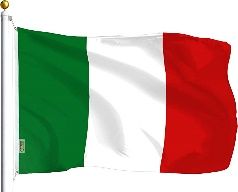
1.flag
2.anthem (link) – https://www.youtube.com/watch?v=z3RToBymttA
3.currency – EURO (€)
4.population – 60 224 082
5.main religions – Catholic, Non-Catholic Christian, Islam, Agnostic, other religions
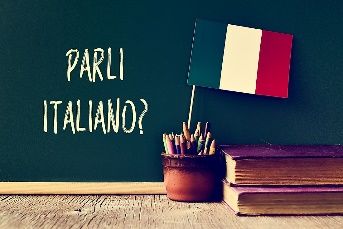
6.official language – Italian
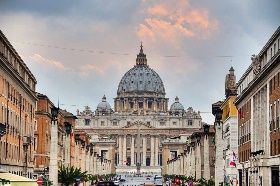
7.major cities – Rome, Milan, Naples, Turin, Palermo, Bologna, Florence, Venice, Verona
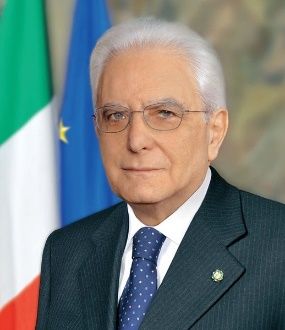
7.name of the Head of State – Sergio Mattarella
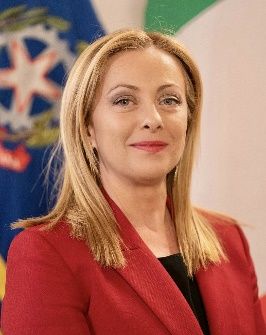
8.name of the Prime Minister – Giorgia Meloni

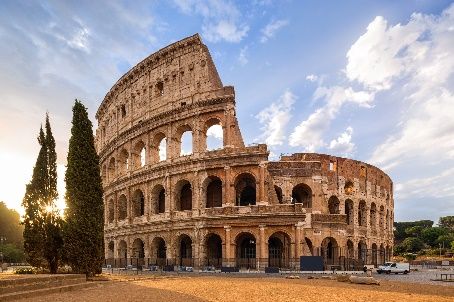
ROME
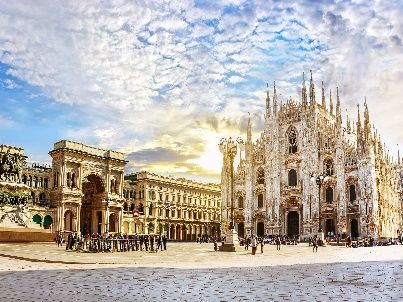
MILAN
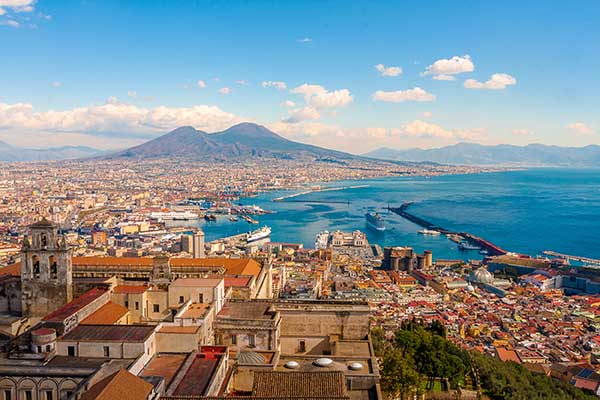
NAPLES
SERGIO MATTARELLA
GIORGIA MELONI
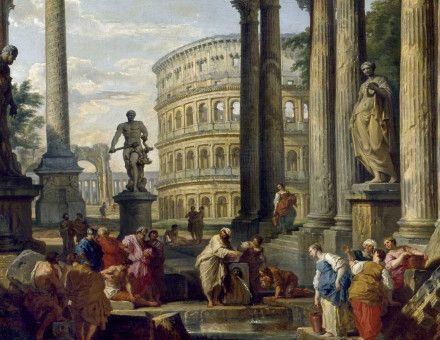
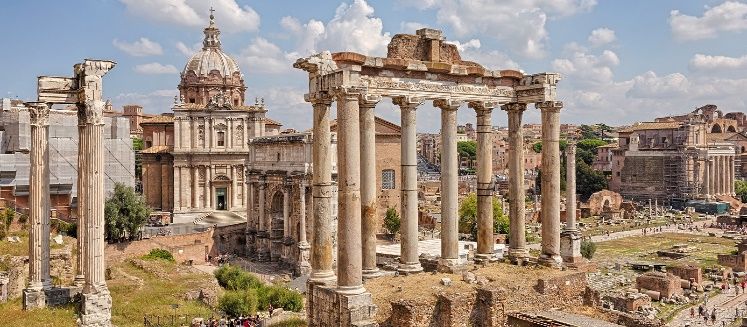
The first advanced civilization to settle in the land of Italy was the Greeks in the 8th century BCE. At about the same time was founded the city of Rome which would grow to become one of the world´s great civilizations, Ancient Rome. Rome together with Greek culture would become influential in forming much of today´s Western civilization including philosophy, art, and law. In 395 CE, the Roman Empire was divided into the Western Roman Empire and the Eastern Roman Empire. Italy was part of the Western Empire which collapsed around 476 CE. For the next several hundred years, Italy would be made up of several small city-states. In the 1400s Italy became the home of the Italian Renaissance. During this period the arts flourished with artists such as Leonardo da Vinci and Michelangelo.
In 1871 Italy became a constitutional monarchy and an independent unified country. In 1922 Benito Mussolini came to power in Italy. He turned Italy into a fascist state where he was the dictator. He sided with the Axis Powers of Germany and Japan in World War II. When they lost the war, Mussolini was removed from power. In 1946 Italy became a republic.
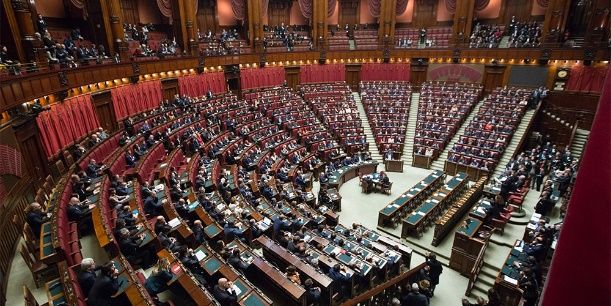
The politics of Italy are conducted through a parliamentary republic with a multi-party system. The government of Italy is in the form of a democratic republic and was established by a constitution in 1948. It consists of legislative, executive, and judicial subdivisions, as well as a Head of State, or President. The current president is Sergio Mattarella, and the current prime minister is Giorgia Meloni. The Italian state is highly centralized. The prefect of each of the provinces is appointed by and answerable to the central. government.
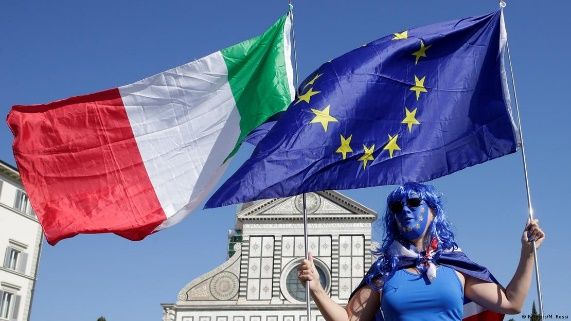
Italy, a country in south-central Europe, occupies a peninsula that juts deep into the Mediterranean Sea. Italy comprises some of the most varied and scenic landscapes on Earth and is often described as a country shaped like a boot.
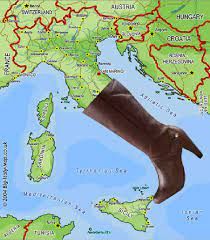
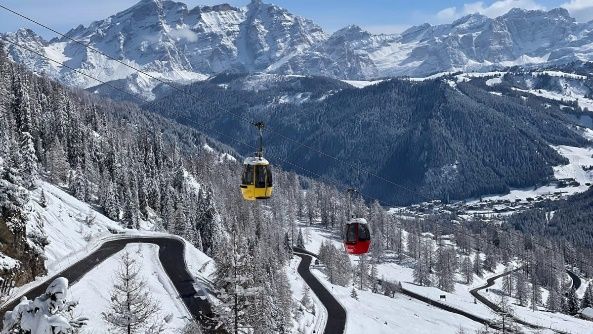
At its broad top stand the Alps, which are among the world’s most rugged mountains. Being Italy surrounded by sea, Italy’s climate is temperate Mediterranean. Italy’s climate is formally divided into four types, characterized by specific features: Alpine climate, dominant in the Alps and northern and central Apennines, Mediterranean climate, in the island and southern Italy, Peninsular climate, peculiar to the central part of the peninsula and Po valley climate.
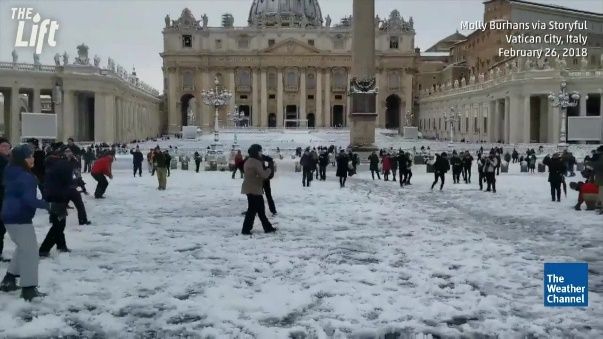
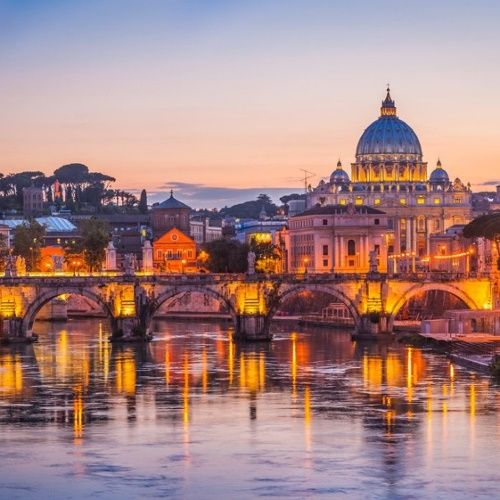
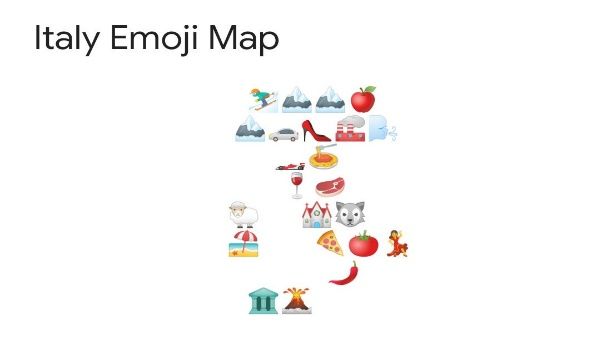
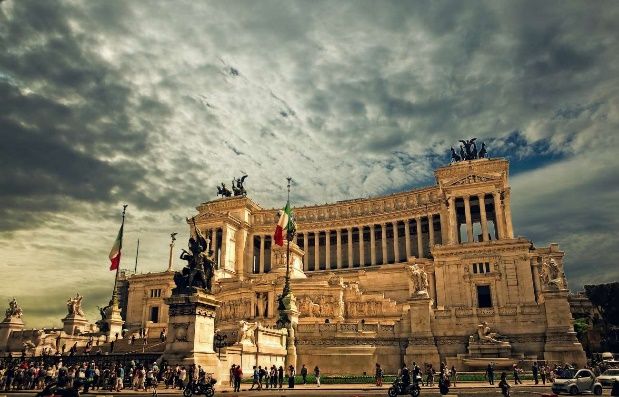
One of the leading countries in the world in terms of worldwide international tourist arrivals, Italy attracts millions of tourists every year thanks to its fascinating culture, natural landscapes, artistic sites, and renowned cuisine. Winter and summer tourism is present in many locations in the Alps and the Apennines, while seaside tourism is widespread in coastal locations along the Mediterranean Sea.
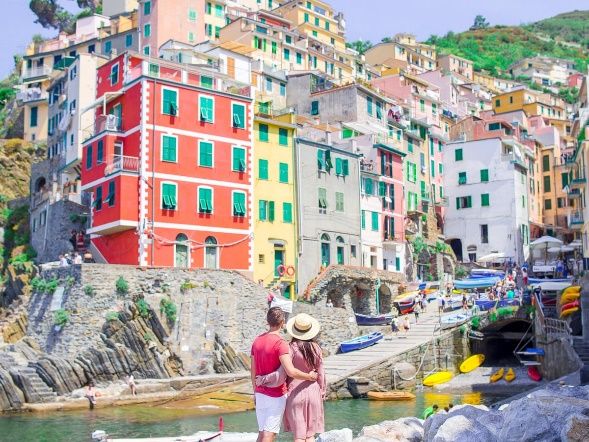
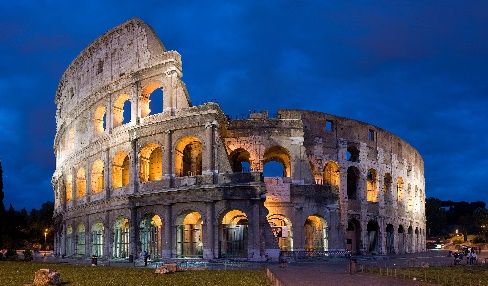
The Colosseum in Rome is one of the most popular tourist attractions in the world. Ancient Rome’s huge amphitheater, built by Emperor Vespasian in AD 80, held as many as 55,000 spectators.
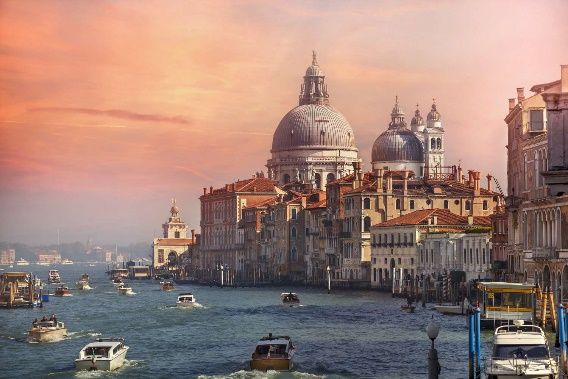
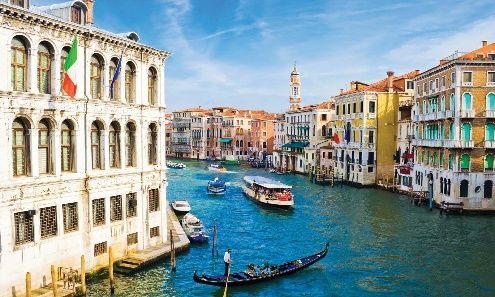
The city of Venice is ranked many times as the most beautiful city in the world. Also known as the „City of Canals “; „The Floating City“ and „Serenissima“. With its winding canals, striking architecture, and beautiful bridges.
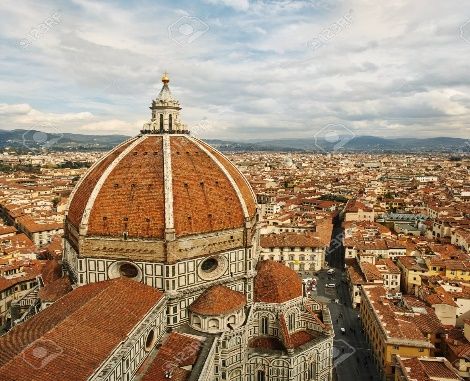
Santa Maria del Fiore, Florence also known as the Duomo Cathedral. This majestic structure set the scene for the Italian Renaissance and went on to inspire a legion of architects and artists on the continent. Moreover, the cathedral was built in dedication to the Virgin of Flowers and remains an important landmark for both locals and tourists.
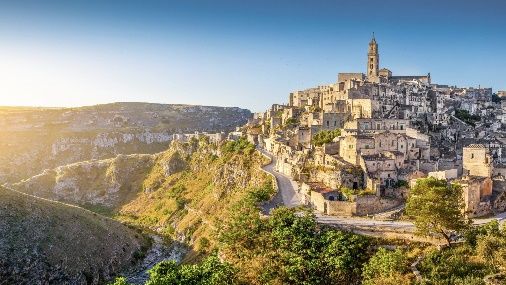
Sassi di Matera was well-known for their ancient cave dwellings inhabited since the Paleolithic period. It was named a World Heritage Site by UNESCO in 1993.
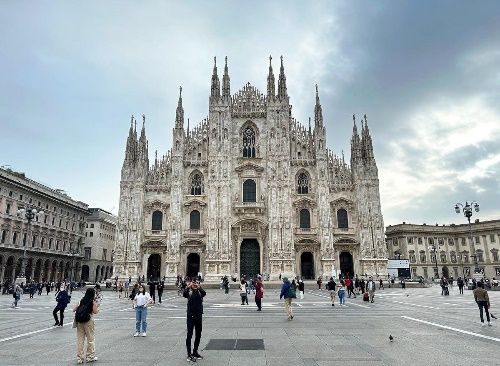
Milan Cathedral is a busy tourist spot in Milan. It is known throughout the world for its grandeur and beauty. It houses thousands of statues and hundreds of gargoyles and church figures and is revered as a staple of the French Gothic style.
1.flag
2.anthem (link) – https://www.youtube.com/watch?v=z3RToBymttA
3.currency – EURO (€)
4.population – 60 224 082
5.main religions – Catholic, Non-Catholic Christian, Islam, Agnostic, other religions
6.official language – Italian
7.major cities – Rome, Milan, Naples, Turin, Palermo, Bologna, Florence, Venice, Verona
ROME
MILAN
NAPLES
7.name of the Head of State – Sergio Mattarella
8.name of the Prime Minister – Giorgia Meloni
<p”>
The first advanced civilization to settle in the land of Italy was the Greeks in the 8th century BCE. At about the same time was founded the city of Rome which would grow to become one of the world´s great civilizations, Ancient Rome. Rome together with Greek culture would become influential in forming much of today´s Western civilization including philosophy, art, and law. In 395 CE, the Roman Empire was divided into the Western Roman Empire and the Eastern Roman Empire. Italy was part of the Western Empire which collapsed around 476 CE. For the next several hundred years, Italy would be made up of several small city-states. In the 1400s Italy became the home of the Italian Renaissance. During this period the arts flourished with artists such as Leonardo da Vinci and Michelangelo.
In 1871 Italy became a constitutional monarchy and an independent unified country. In 1922 Benito Mussolini came to power in Italy. He turned Italy into a fascist state where he was the dictator. He sided with the Axis Powers of Germany and Japan in World War II. When they lost the war, Mussolini was removed from power. In 1946 Italy became a republic.
The politics of Italy are conducted through a parliamentary republic with a multi-party system. The government of Italy is in the form of a democratic republic and was established by a constitution in 1948. It consists of legislative, executive, and judicial subdivisions, as well as a Head of State, or President. The current president is Sergio Mattarella, and the current prime minister is Giorgia Meloni. The Italian state is highly centralized. The prefect of each of the provinces is appointed by and answerable to the central government.
Italy, a country in south-central Europe, occupies a peninsula that juts deep into the Mediterranean Sea. Italy comprises some of the most varied and scenic landscapes on Earth and is often described as a country shaped like a boot.
At its broad top stand the Alps, which are among the world’s most rugged mountains. Being Italy surrounded by sea, Italy’s climate is temperate Mediterranean. Italy’s climate is formally divided into four types, characterized by specific features: Alpine climate, dominant in the Alps and northern and central Apennines, Mediterranean climate, in the island and southern Italy, Peninsular climate, peculiar to the central part of the peninsula and Po valley climate.
One of the leading countries in the world in terms of worldwide international tourist arrivals, Italy attracts millions of tourists every year thanks to its fascinating culture, natural landscapes, artistic sites, and renowned cuisine. Winter and summer tourism is present in many locations in the Alps and the Apennines, while seaside tourism is widespread in coastal locations along the Mediterranean Sea.
The Colosseum in Rome is one of the most popular tourist attractions in the world. Ancient Rome’s huge amphitheater, built by Emperor Vespasian in AD 80, held as many as 55,000 spectators.
The city of Venice is ranked many times as the most beautiful city in the world. Also known as the „City of Canals “; „The Floating City“ and „Serenissima“. With its winding canals, striking architecture, and beautiful bridges.
Santa Maria del Fiore, Florence also known as the Duomo Cathedral. This majestic structure set the scene for the Italian Renaissance and went on to inspire a legion of architects and artists on the continent. Moreover, the cathedral was built in dedication to the Virgin of Flowers and remains an important landmark for both locals and tourists.
Sassi di Matera was well-known for their ancient cave dwellings inhabited since the Paleolithic period. It was named a World Heritage Site by UNESCO in 1993.
Milan Cathedral is a busy tourist spot in Milan. It is known throughout the world for its grandeur and beauty. It houses thousands of statues and hundreds of gargoyles and church figures and is revered as a staple of the French Gothic style.

Individualism: At a score of 76 Italy is an individualist culture, “me” centered for Italians having their own personal ideas and objectives in life is very motivating and the route to happiness is through personal fulfilment.
Power distance: With a score of 50, Italy tends to prefer equality and decentralization of power and decision-making. Control and formal supervision are generally disliked among the younger generation, who demonstrate a preference for teamwork and an open management style.

Masculinity: At 70, Italy is a Masculine society – highly success-oriented and driven. A high Masculine score indicates that society will be driven by competition, achievement, and success. A low Feminine score means that the dominant values in society are caring for others and quality of life.

Uncertainty avoidance: Italy scored 75 in this area, showing a strong preference for avoiding uncertainty. These societies are very risk-averse and do not readily embrace change. They uphold strict moral and ethical standards and are intolerant of unconventional behavior and viewpoints.

Long-term orientation: At a relatively high score of 61, Italy exhibits a more pragmatic than normative culture. People show an ability to easily adapt traditions to changed conditions, a strong propensity to save and invest, and thriftiness and perseverance in achieving results.

Indulgence: The low score of 30 shows that Italy has a culture of restraint. Restraint societies tend toward cynicism and pessimism. Their actions are restrained by social norms, and they feel that doing what they enjoy is somewhat wrong.

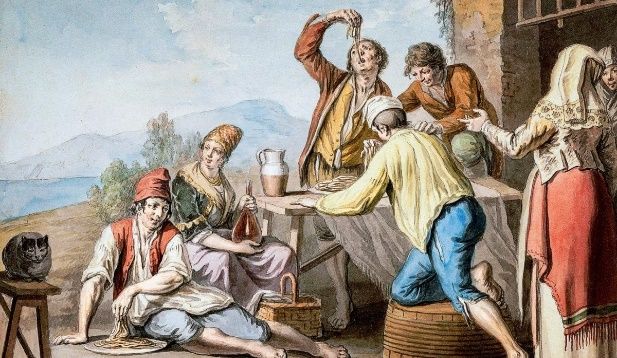
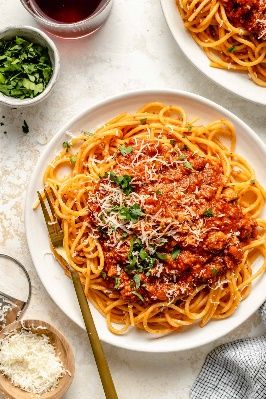
Italians can’t live without pasta. This is a common Italian stereotype that is based on reality. Italians consume the most pasta in the world. This dedication to quality plus the fact that Italians are the top consumer of pasta makes Italy the champion of pasta.
Italians talk with their hands. Italians use hand gestures to enliven conversations, strengthen their point, and communicate on a non-verbal level. This habit makes Italians some of the most expressive and passionate speakers in the world.

Italians are habitually late. Everything in Italy happens on its own timeline, including work and appointments. If you comment on someone’s tardiness, most Italians will tell you that they just wanted to stop for a coffee or smoke a cigarette before arriving.

Italians are die-hard football fans. Italians take soccer very seriously, and when there’s a game on, all attention is directed toward it. Italians can’t get enough of football because it’s a chance for them to unite with their local team and express their regional pride.
Italians are obsessed with fashion. Like coffee, fashion is wildly popular in Italy. Just look at all the famous designers that hail from Italy, including Prada, Armani, Versace, and the list goes on. Italians like to wear high-quality fabrics.

Italians aren’t scared of public affection. Italians are no strangers to affection. In fact, it’s very common to see lovers embracing and kissing one another in public. Italian culture’s warmth and outgoing nature encourage the expression of emotions, whether it’s crying, screaming, or showing affection. This is one of the reasons why Italians greet one another with the classic kissing of the cheeks.

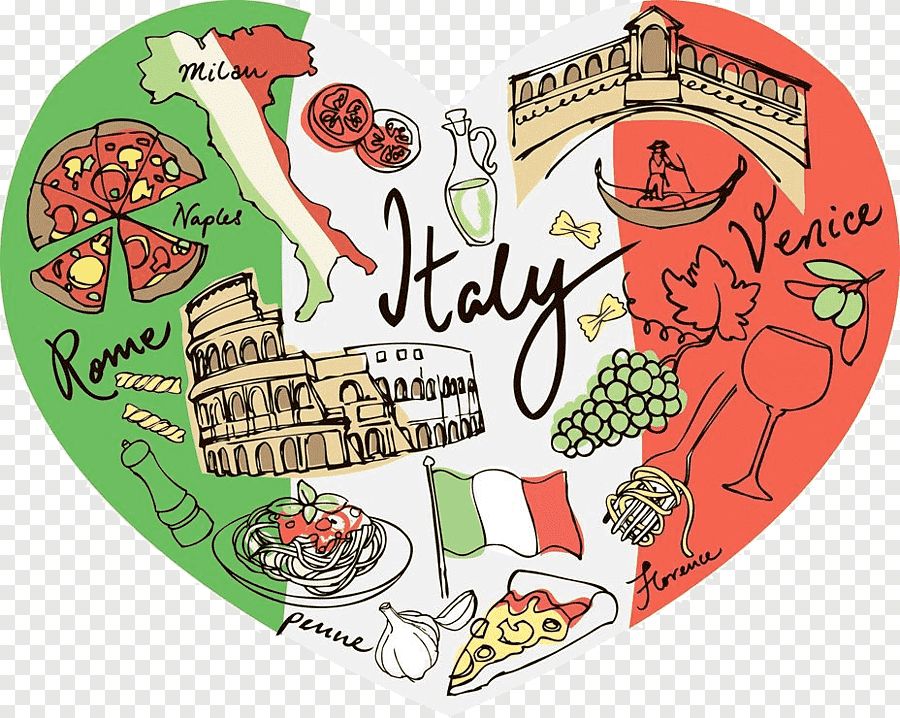
Italian gastronomy is famous worldwide for its diversity, simplicity, and quality. It is characterized by regional variations that reflect the country’s unique geography, history, and culture.
One of the most famous and beloved Italian dishes is pizza, which originated in Naples and features a thin crust topped with tomato sauce, cheese, and various toppings. Pasta is another staple of Italian cuisine, with popular varieties such as spaghetti, penne, and linguine served with a variety of sauces, including tomato, pesto, and alfredo.
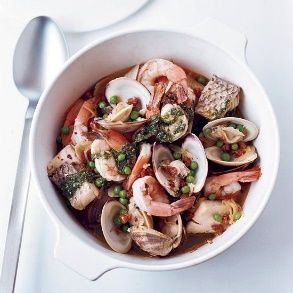
Italian cuisine also includes a variety of meat and seafood dishes, such as veal Milanese, osso buco, and seafood risotto. Other popular dishes include antipasti (appetizers), bruschetta, caprese salad, and tiramisu for dessert.
Wine is also an important part of Italian gastronomy, with Italy being one of the world’s largest wine producers. Popular varieties include Chianti, Barolo, and Montepulciano, among others.

Italian cuisine varies significantly by region, with each region boasting its own specialities and local ingredients. For example, the cuisine of the north tends to be heavier on meat and cream sauces, while the cuisine of the south features more seafood and tomato-based sauces.
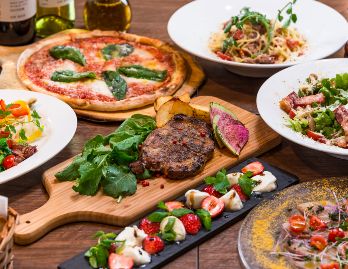
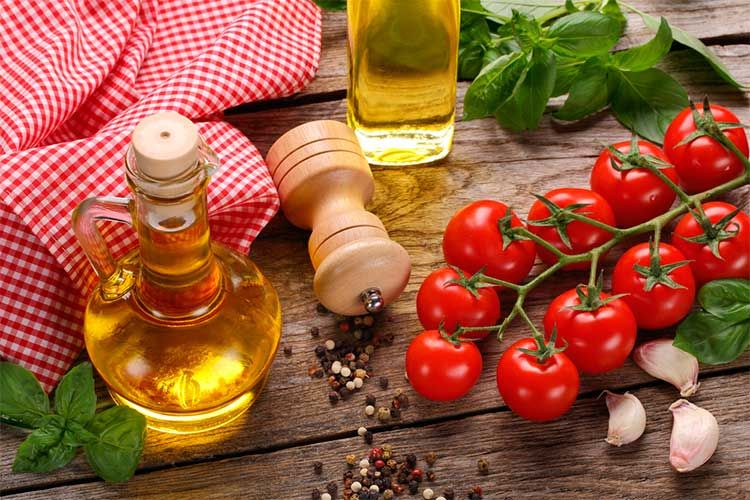
Overall, Italian gastronomy is characterized by fresh ingredients, simple preparations, and a focus on quality over quantity. It has had a significant impact on global cuisine and is enjoyed by millions of people worldwide.
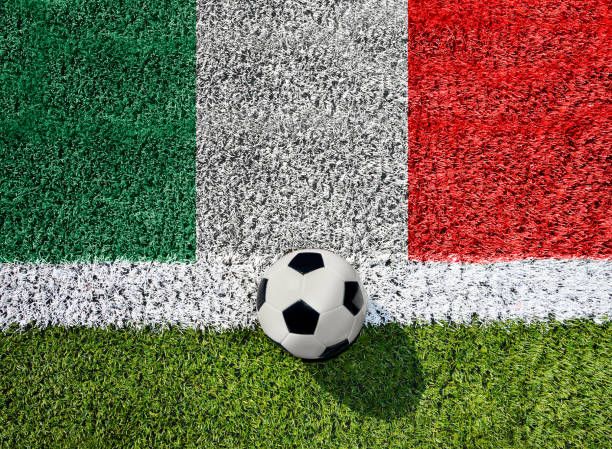
Sport is a significant part of Italian culture, with football (soccer) being the most popular sport in the country. Italy’s Serie A is one of the top football leagues in the world, featuring teams such as Juventus, AC Milan, and Inter Milan. The Italian national team has a successful history, winning four FIFA World Cup titles and one European Championship.
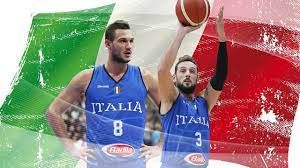
Basketball is also popular in Italy, with a strong domestic league and many successful players, including NBA stars like Danilo Gallinari and Marco Belinelli. Volleyball is another popular sport, with competitive national teams in both men’s and women’s competitions.
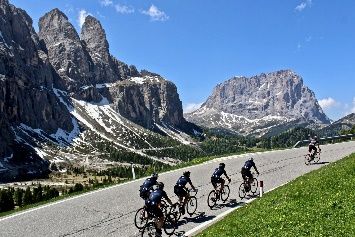
Cycling is a beloved sport in Italy, with the annual Giro d’Italia race drawing large crowds and international attention. Rugby is also played in Italy, with the national team competing in the Six Nations tournament.
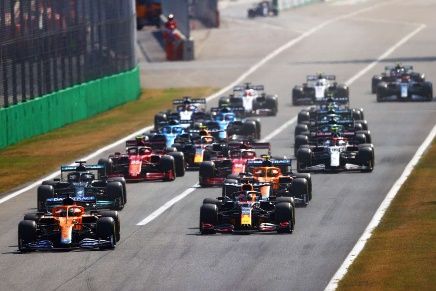
Motorsports have a strong following in Italy, with Formula One racing and MotoGP being popular. Italy has a rich tradition of sportsmanship and has produced many great athletes, including tennis players like Rafael Nadal and motorcyclist Valentino Rossi.
Sports are an important part of local culture, with many towns and cities having their teams and fan cultures. Italy has hosted many major sporting events, including the 1960 Summer Olympics, the 1982 FIFA World Cup, and the 2006 Winter Olympics.
Italy has a rich cultural heritage, and many of its traditions and public holidays are deeply rooted in the country’s history and religion.
One of the most famous Italian holidays is Carnival, which takes place in February and features colorful parades, costumes, and street parties. Easter is another important religious holiday, with celebrations including the traditional blessing of food and the consumption of a special Easter cake called Colomba.
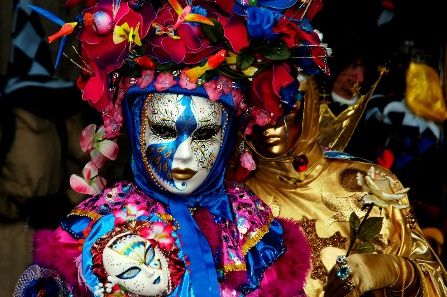
Other important religious holidays include Christmas, the Feast of the Epiphany (January 6th), and All Saints’ Day (November 1st), which is a national holiday in Italy.
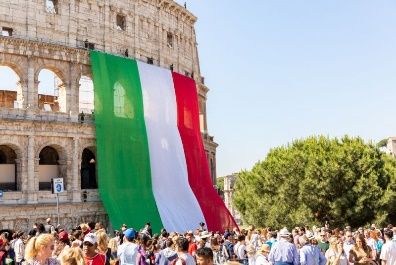
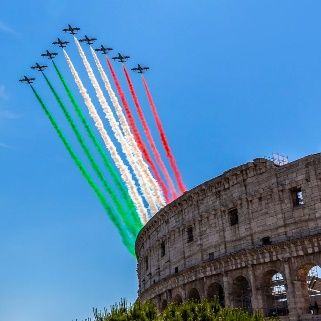
Italy also celebrates its Republic Day on June 2nd, commemorating the country’s adoption of a republic constitution in 1946. Labor Day, or May Day, is also celebrated on May 1st with parades and demonstrations.
Each region of Italy has its unique traditions and festivals, such as the Siena Palio horse race in Tuscany, the Carnival of Venice, and the Festa della Madonna Bruna in Matera.
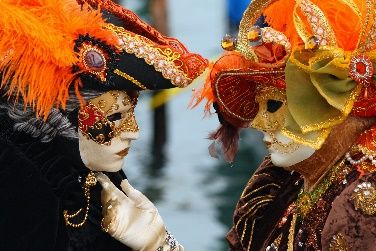
Food is also an important part of Italian tradition, with many cities and regions celebrating food-related festivals throughout the year. For example, the Festa del Redentore in Venice is a celebration of local seafood, while the Alba Truffle Fair celebrates the region’s famous white truffles.
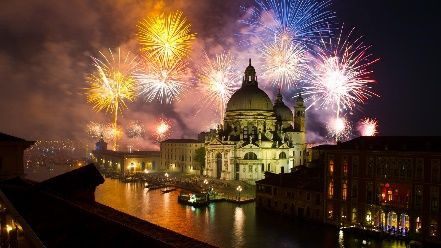
Overall, Italy has a rich tradition of religious and cultural celebrations, each with its unique customs and history. These public holidays and festivals are an important part of Italian life, and many of them are celebrated with joy and enthusiasm throughout the country.
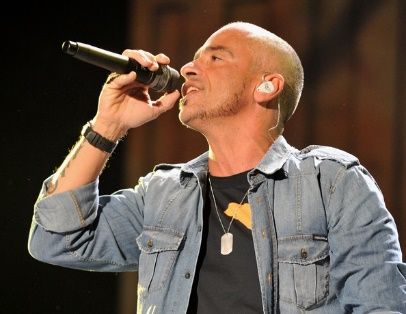
Italian music, like any music in the world, has its beginnings. Even these beginning dates to before the creation of Italy. During the Roman Empire, it is known from available sources that music was present at banquets and ceremonies. Instruments such as the lyre, monochord, trumpet, and others became the basis for ancient music. In the Middle Ages, after the division of Rome and the transfer of power to Constantinople, the Gregorian chant was born in Italy. This genre was dominant in the church and its main instrument was the voice of the monks and the echo in the cathedrals. The genre that bests suits everything that was laid on the foundations of Italian music is opera in the name of the Renaissance. Opera was born in Florence in 1600 and immediately spread to cities such as Milan, Naples, and Venice. The greatest composer will be and is Guiseppe Verdi and his works Rigoletto o La Traviata or Othello. Santa Maria di Loreto in Naples becomes the first conservatory in the world. In 1725, the work 4 Seasons by Antonio Vivaldi stands out. Verdi’s La Traviata, Othello, Nabucco or Pagliaco as the most important opera works. The modern musical age in Italy is still faithful to eclectic traditions, and parts from every period are preserved in it. Symbols of modern music are Laura Pausini, Eros Ramazzotti, and Andrea Bocelli. For younger generations, the current phenomenon is the group Maneskin.
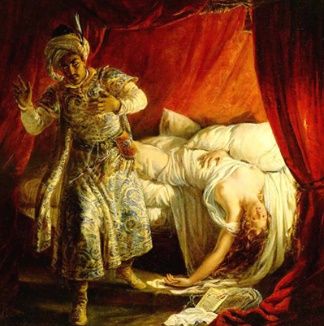
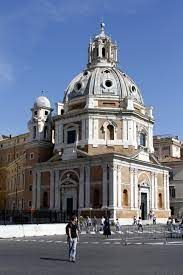
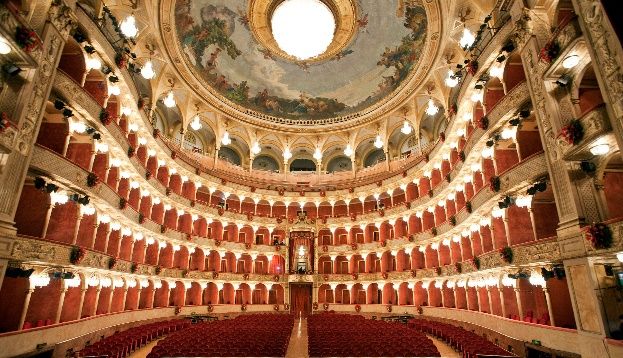
OPERA AND BALLET IN THE MAGICAL SETTING OF THE CAPITAL CITY
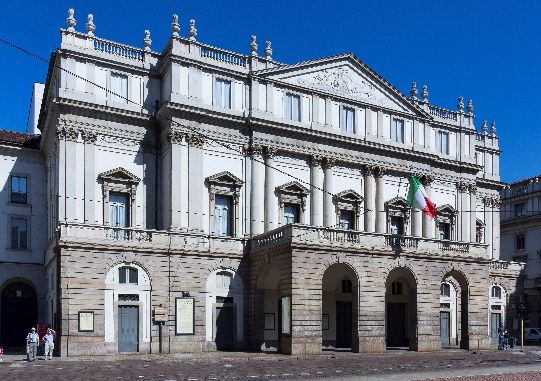
The Opera di Roma, also known as Teatro Costanzi from the name of its founding father Domenico Costanzi, is located in Piazza Beniamino Gigli and is the Roman theatre dedicated to symphonic opera and ballet. Among the great artists who have trodden its boards, making it one of the most prestigious places in the capital, we find the names of Pietro Mascagni, Giacomo Puccini, Ottorino Respighi, Stravinsky, Enrico Caruso, Maria Callas, Luciano Pavarotti, and Riccardo Muti. Every year there are numerous performances and shows on the program starring important Italian and international artists. While the winter opera season takes place in Teatro Costanzi, its summer program is held outdoors in July and August, under the sky of Rome, in the magical setting of the Baths of Caracalla, offering a stunningly unique experience that attracts many tourists every year. Many of the Italian theatres are amongst the most famous in the world. Such as La Scala in Milan, and the Teatro dell’Opera San Carlo in Naples. Many theatres are listed in tourist guides for their history, beautiful architecture, the works of art they contain or for having hosted such legends of music as Verdi, Puccini and Paganini. (ENIT – Italian National Tourist Board, 2022)
The greatest films are NIGHTS OF CABIRIA (Federico Fellini), LA DOLCE VITA (Federico Fellini) and L’AVVENTURA (Michelangelo Antonioni).
ACTORS AND ACTRESSES
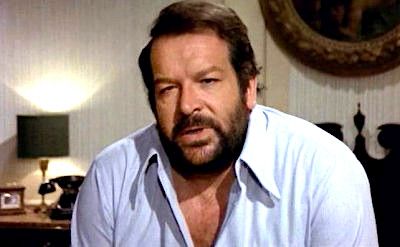
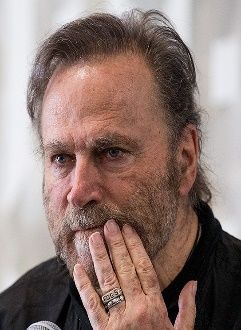
The famous actors and actresses are: Sophia Loren, Monica Bellucci (Bride of Dracula), Bud Spencer (Spaghetti Western) and Francesco Clemente Giuseppe Sparanero, known professionally as Franco Nero, is an Italian actor, producer, and director. (Retrieved, 2016)
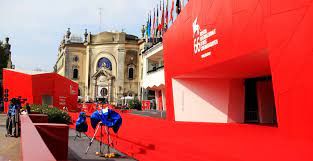
VENICE FILM FESTIVAL
The Venice International Film Festival is organized by La Biennale di Venezia and was held on the Lido di Venezia. The Festival is officially recognized by the FIAPF (International Federation of Film Producers Association). (LA BIENNALE DI VENEZIA, 2022)
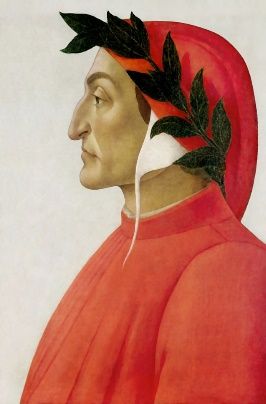
The most known author among them, Dante Alighieri, is a fundamental individual of Italian literature. Even though he was exiled from Italy, Dante Alighieri’s work is a representative work of Italian literature throughout the world. (Ferri, 2017). Giovanni Boccaccio published a collection of short stories, The Decameron. Even though the Decameron is now considered an outstanding literary work, it was not always the case. The story is told by ten different people, each telling a story during ten days of staying away from Florence (Ferri, 2017).
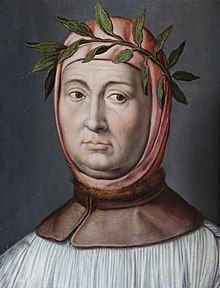
Half a thousand years later, Alessandro Manzoni became a symbol of patriotism and helped to unify the Italian language throughout Italy. (Ferri, 2017). Destination Florence Convention (2021) describes The Adventures of Pinocchio as a children’s fantasy novel about a mischievous marionette, Pinocchio, and his father. The main message of this story is that there’s no greater love than the parent’s love for their child. Niccolò Ammaniti is one of the most successful contemporary authors of Italian literature. His work I’m Not Scared discusses the population disparity and its influence on society’s behaviour, the story is narrated by a young boy, who is gradually losing his innocence triggered by the actions of adults. (Goodreads, 2022).
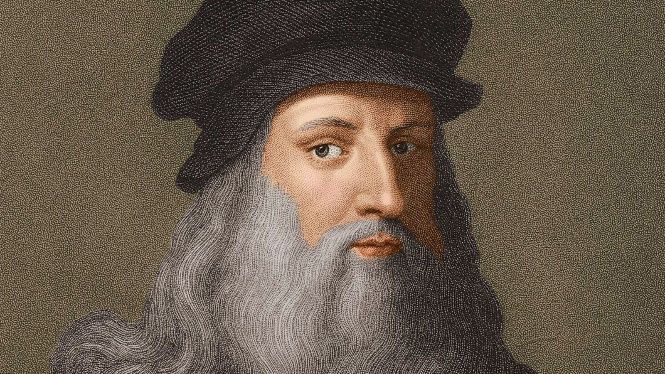
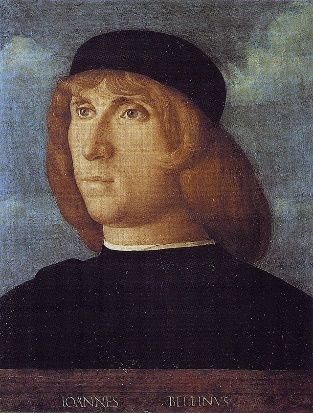
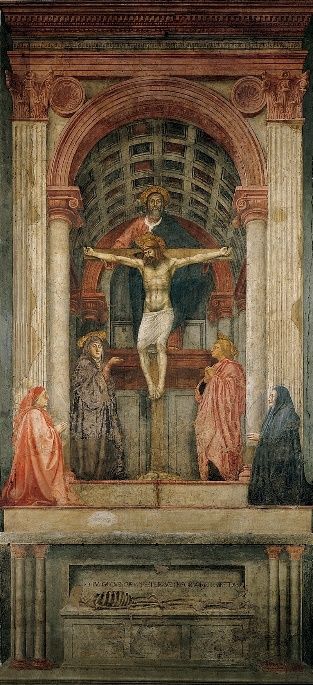
Fine art is a subjective term that has evolved, just as art and artistic styles have evolved. We understand art to be the process of creating something unique that appeals to our visual or auditory senses. Leonardo Da Vinci Much has been said about this true Renaissance man, who was not only a painter but a mathematician, scientist, engineer, inventor, architect and much, much more. Michelangelo Buonarotti defined what it means to be an artist. Though he’s known for his paintings, he considered himself first and foremost a sculptor. A master of anatomy, he used the straining, twisting muscles and tendons of the human body to express his powerful vision of the world. Giovanni Bellini was the Venetian of the Renaissance who took the medium of oil painting to a new expressive capacity. He was the pioneer of a technique where the colors were gradually built up in thin, translucent layers. In his altarpieces, you’ll find a kind of peaceful silence, illuminated by gorgeous colors that seem to be lit from within. Masaccio’s early Renaissance Trinity with the Virgin, Saint John the Evangelist, and Donors (ca. 1425-27/28) in the Basilica of Santa Maria Novella, in Florence, demonstrates this renewed interest in human, rather than only divine, religious space.
„Italian is fun to listen to, but even more fun to speak — let go of your inhibitions and play along. “
Italian is part of the Indo-European language family, and within that, it belongs to the Romance branch. It is a descendant of Vulgar Latin, spoken by the Romans. 64 million people speak the language worldwide, of which 57.7 million are in Italy.
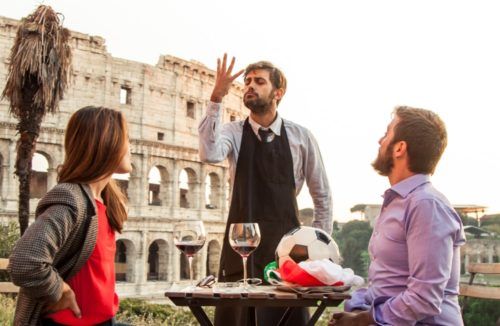
There are 34 dialects in the country, and geographically distant dialects are mutually unintelligible. In modern Italy, people communicate mostly in regional dialects. Standard Italian is the only written language. It is estimated that about half of Italy’s population does not speak standard Italian as a native language. Most speakers of regional Italian dialects meet standard Italian in elementary school.
Italians are mostly direct communicators. They are open about their emotions, and they do not mince around their opinion, they tell them to you directly. When talking, Italians are open, inquisitive, and bold. They find the prolonged periods of silence uncomfortable and may naturally speak to fill it in.
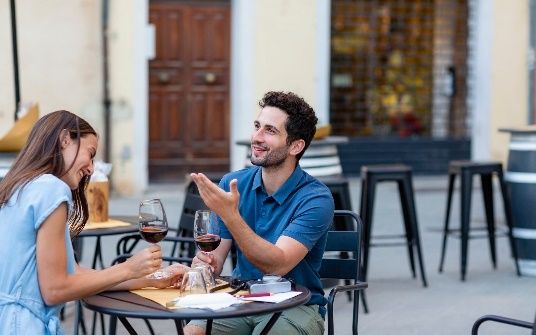
Speaking loudly is a well-known stereotype for Italian people.
How to greet someone in Italy? Italians often greet friends with a tight hug or a kiss on each cheek, but you will also find people greeting with a shake of hands, a nod, a slap on the back or a smile. They keep in proximity to one another, sometimes standing less than a meter away from the person they are talking to. Even if you do not notice, they may think you are avoiding them if you move farther away from what they consider to be normal.
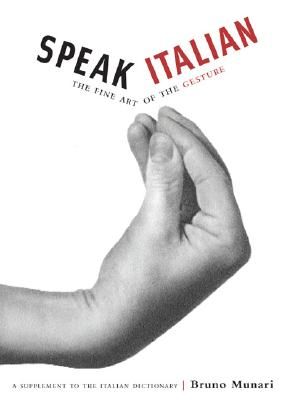
People in Italy are quite affectionate. It is common to see hugging, kissing, back-slapping and handholding in public. People may touch their conversation partners to show their engagement in the discussion – for example, nudging them or touching their arms when pointing something out.
Direct eye contact is expected and held during conversations. Italians are naturally more expressive in their tone of voice, facial expressions, and body language, often motioning with their hands to emphasize their point.
In Italy, people can say a lot with hand gestures, for example:
- Clenching the right fist and jerking the forearm up is the Italian version of the middle finger,
- Fingers and thumb bunched together and pointed upward is a gesture for a question, such as, „What do you want?” or „What are you doing?” It can also be used as an insult to say, „You fool.”
Taboo areas and topics: Taboo is to criticize Italian cuisine or suggestions for how to make it better because Italians are proud of their food.
Table manners: With aperitivo begins the meal. At first, the main host says a toast and after that, he says cheers to the group: ‘cin cin!’ Do not leave the table until everyone has finished eating. Avoid talking about the Vatican, politics, the mafia, or private family manners.
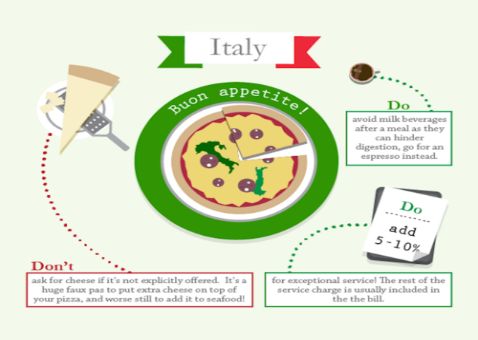
Greetings: The common greeting is a handshake with eye contact and a smile. The well-known ‘ciao’ is reserved for friends. In a business context, you should always stick to the more formal ‘arrivederci’.
Giving and accepting gifts: Gifts are usually opened at the time they are given and received. Italians are very generous gift-givers. You may be very embarrassed if you give a „cheap” or practical gift.

Arriving and leave-taking: „On time” in Italy means being 20, 30, or even 45 minutes late. Younger people open the doors for elders. Men often open the door for women. If a senior enters the room, stand up to show respect.
Business Gifts: They give branded, something small, but not too expensive gifts. For example, alcohol, crafts from your own country, fine pens, a framed print/picture, silver key chains, or calculators.

Dress code: Always dress formally for a business meeting. Style and fashion matter a lot to the Italians and no, that is not a stereotype, that bit is true.

Socialization at work: Building close relationships is very important in Italian business culture. Allow your Italian partner to make a “bella figura” (good impression) on you.

-
1.flag
2.anthem (link) – https://www.youtube.com/watch?v=z3RToBymttA
3.currency – EURO (€)
4.population – 60 224 082
5.main religions – Catholic, Non-Catholic Christian, Islam, Agnostic, other religions
6.official language – Italian
7.major cities – Rome, Milan, Naples, Turin, Palermo, Bologna, Florence, Venice, Verona
7.name of the Head of State – Sergio Mattarella
8.name of the Prime Minister – Giorgia Meloni
ROME
MILAN
NAPLES
SERGIO MATTARELLA
GIORGIA MELONI
The first advanced civilization to settle in the land of Italy was the Greeks in the 8th century BCE. At about the same time was founded the city of Rome which would grow to become one of the world´s great civilizations, Ancient Rome. Rome together with Greek culture would become influential in forming much of today´s Western civilization including philosophy, art, and law. In 395 CE, the Roman Empire was divided into the Western Roman Empire and the Eastern Roman Empire. Italy was part of the Western Empire which collapsed around 476 CE. For the next several hundred years, Italy would be made up of several small city-states. In the 1400s Italy became the home of the Italian Renaissance. During this period the arts flourished with artists such as Leonardo da Vinci and Michelangelo.
In 1871 Italy became a constitutional monarchy and an independent unified country. In 1922 Benito Mussolini came to power in Italy. He turned Italy into a fascist state where he was the dictator. He sided with the Axis Powers of Germany and Japan in World War II. When they lost the war, Mussolini was removed from power. In 1946 Italy became a republic.
The politics of Italy are conducted through a parliamentary republic with a multi-party system. The government of Italy is in the form of a democratic republic and was established by a constitution in 1948. It consists of legislative, executive, and judicial subdivisions, as well as a Head of State, or President. The current president is Sergio Mattarella, and the current prime minister is Giorgia Meloni. The Italian state is highly centralized. The prefect of each of the provinces is appointed by and answerable to the central. government.
Italy, a country in south-central Europe, occupies a peninsula that juts deep into the Mediterranean Sea. Italy comprises some of the most varied and scenic landscapes on Earth and is often described as a country shaped like a boot.
At its broad top stand the Alps, which are among the world’s most rugged mountains. Being Italy surrounded by sea, Italy’s climate is temperate Mediterranean. Italy’s climate is formally divided into four types, characterized by specific features: Alpine climate, dominant in the Alps and northern and central Apennines, Mediterranean climate, in the island and southern Italy, Peninsular climate, peculiar to the central part of the peninsula and Po valley climate.
One of the leading countries in the world in terms of worldwide international tourist arrivals, Italy attracts millions of tourists every year thanks to its fascinating culture, natural landscapes, artistic sites, and renowned cuisine. Winter and summer tourism is present in many locations in the Alps and the Apennines, while seaside tourism is widespread in coastal locations along the Mediterranean Sea.
The Colosseum in Rome is one of the most popular tourist attractions in the world. Ancient Rome’s huge amphitheater, built by Emperor Vespasian in AD 80, held as many as 55,000 spectators.
The city of Venice is ranked many times as the most beautiful city in the world. Also known as the „City of Canals “; „The Floating City“ and „Serenissima“. With its winding canals, striking architecture, and beautiful bridges.
Santa Maria del Fiore, Florence also known as the Duomo Cathedral. This majestic structure set the scene for the Italian Renaissance and went on to inspire a legion of architects and artists on the continent. Moreover, the cathedral was built in dedication to the Virgin of Flowers and remains an important landmark for both locals and tourists.
Sassi di Matera was well-known for their ancient cave dwellings inhabited since the Paleolithic period. It was named a World Heritage Site by UNESCO in 1993.
Milan Cathedral is a busy tourist spot in Milan. It is known throughout the world for its grandeur and beauty. It houses thousands of statues and hundreds of gargoyles and church figures and is revered as a staple of the French Gothic style.
1.flag
2.anthem (link) – https://www.youtube.com/watch?v=z3RToBymttA
3.currency – EURO (€)
4.population – 60 224 082
5.main religions – Catholic, Non-Catholic Christian, Islam, Agnostic, other religions
6.official language – Italian
7.major cities – Rome, Milan, Naples, Turin, Palermo, Bologna, Florence, Venice, Verona
ROME
MILAN
NAPLES
7.name of the Head of State – Sergio Mattarella
8.name of the Prime Minister – Giorgia Meloni
<p”>
The first advanced civilization to settle in the land of Italy was the Greeks in the 8th century BCE. At about the same time was founded the city of Rome which would grow to become one of the world´s great civilizations, Ancient Rome. Rome together with Greek culture would become influential in forming much of today´s Western civilization including philosophy, art, and law. In 395 CE, the Roman Empire was divided into the Western Roman Empire and the Eastern Roman Empire. Italy was part of the Western Empire which collapsed around 476 CE. For the next several hundred years, Italy would be made up of several small city-states. In the 1400s Italy became the home of the Italian Renaissance. During this period the arts flourished with artists such as Leonardo da Vinci and Michelangelo.
In 1871 Italy became a constitutional monarchy and an independent unified country. In 1922 Benito Mussolini came to power in Italy. He turned Italy into a fascist state where he was the dictator. He sided with the Axis Powers of Germany and Japan in World War II. When they lost the war, Mussolini was removed from power. In 1946 Italy became a republic.
The politics of Italy are conducted through a parliamentary republic with a multi-party system. The government of Italy is in the form of a democratic republic and was established by a constitution in 1948. It consists of legislative, executive, and judicial subdivisions, as well as a Head of State, or President. The current president is Sergio Mattarella, and the current prime minister is Giorgia Meloni. The Italian state is highly centralized. The prefect of each of the provinces is appointed by and answerable to the central government.
Italy, a country in south-central Europe, occupies a peninsula that juts deep into the Mediterranean Sea. Italy comprises some of the most varied and scenic landscapes on Earth and is often described as a country shaped like a boot.
At its broad top stand the Alps, which are among the world’s most rugged mountains. Being Italy surrounded by sea, Italy’s climate is temperate Mediterranean. Italy’s climate is formally divided into four types, characterized by specific features: Alpine climate, dominant in the Alps and northern and central Apennines, Mediterranean climate, in the island and southern Italy, Peninsular climate, peculiar to the central part of the peninsula and Po valley climate.
One of the leading countries in the world in terms of worldwide international tourist arrivals, Italy attracts millions of tourists every year thanks to its fascinating culture, natural landscapes, artistic sites, and renowned cuisine. Winter and summer tourism is present in many locations in the Alps and the Apennines, while seaside tourism is widespread in coastal locations along the Mediterranean Sea.
The Colosseum in Rome is one of the most popular tourist attractions in the world. Ancient Rome’s huge amphitheater, built by Emperor Vespasian in AD 80, held as many as 55,000 spectators.
The city of Venice is ranked many times as the most beautiful city in the world. Also known as the „City of Canals “; „The Floating City“ and „Serenissima“. With its winding canals, striking architecture, and beautiful bridges.
Santa Maria del Fiore, Florence also known as the Duomo Cathedral. This majestic structure set the scene for the Italian Renaissance and went on to inspire a legion of architects and artists on the continent. Moreover, the cathedral was built in dedication to the Virgin of Flowers and remains an important landmark for both locals and tourists.
Sassi di Matera was well-known for their ancient cave dwellings inhabited since the Paleolithic period. It was named a World Heritage Site by UNESCO in 1993.
Milan Cathedral is a busy tourist spot in Milan. It is known throughout the world for its grandeur and beauty. It houses thousands of statues and hundreds of gargoyles and church figures and is revered as a staple of the French Gothic style.
Individualism: At a score of 76 Italy is an individualist culture, “me” centered for Italians having their own personal ideas and objectives in life is very motivating and the route to happiness is through personal fulfilment.
Power distance: With a score of 50, Italy tends to prefer equality and decentralization of power and decision-making. Control and formal supervision are generally disliked among the younger generation, who demonstrate a preference for teamwork and an open management style.
Masculinity: At 70, Italy is a Masculine society – highly success-oriented and driven. A high Masculine score indicates that society will be driven by competition, achievement, and success. A low Feminine score means that the dominant values in society are caring for others and quality of life.
Uncertainty avoidance: Italy scored 75 in this area, showing a strong preference for avoiding uncertainty. These societies are very risk-averse and do not readily embrace change. They uphold strict moral and ethical standards and are intolerant of unconventional behavior and viewpoints.
Long-term orientation: At a relatively high score of 61, Italy exhibits a more pragmatic than normative culture. People show an ability to easily adapt traditions to changed conditions, a strong propensity to save and invest, and thriftiness and perseverance in achieving results.
Indulgence: The low score of 30 shows that Italy has a culture of restraint. Restraint societies tend toward cynicism and pessimism. Their actions are restrained by social norms, and they feel that doing what they enjoy is somewhat wrong.
Italians can’t live without pasta. This is a common Italian stereotype that is based on reality. Italians consume the most pasta in the world. This dedication to quality plus the fact that Italians are the top consumer of pasta makes Italy the champion of pasta.
Italians talk with their hands. Italians use hand gestures to enliven conversations, strengthen their point, and communicate on a non-verbal level. This habit makes Italians some of the most expressive and passionate speakers in the world.
Italians are habitually late. Everything in Italy happens on its own timeline, including work and appointments. If you comment on someone’s tardiness, most Italians will tell you that they just wanted to stop for a coffee or smoke a cigarette before arriving.
Italians are die-hard football fans. Italians take soccer very seriously, and when there’s a game on, all attention is directed toward it. Italians can’t get enough of football because it’s a chance for them to unite with their local team and express their regional pride.
Italians are obsessed with fashion. Like coffee, fashion is wildly popular in Italy. Just look at all the famous designers that hail from Italy, including Prada, Armani, Versace, and the list goes on. Italians like to wear high-quality fabrics.
Italians aren’t scared of public affection. Italians are no strangers to affection. In fact, it’s very common to see lovers embracing and kissing one another in public. Italian culture’s warmth and outgoing nature encourage the expression of emotions, whether it’s crying, screaming, or showing affection. This is one of the reasons why Italians greet one another with the classic kissing of the cheeks.
Italian gastronomy is famous worldwide for its diversity, simplicity, and quality. It is characterized by regional variations that reflect the country’s unique geography, history, and culture.
One of the most famous and beloved Italian dishes is pizza, which originated in Naples and features a thin crust topped with tomato sauce, cheese, and various toppings. Pasta is another staple of Italian cuisine, with popular varieties such as spaghetti, penne, and linguine served with a variety of sauces, including tomato, pesto, and alfredo.
Italian cuisine also includes a variety of meat and seafood dishes, such as veal Milanese, osso buco, and seafood risotto. Other popular dishes include antipasti (appetizers), bruschetta, caprese salad, and tiramisu for dessert.
Wine is also an important part of Italian gastronomy, with Italy being one of the world’s largest wine producers. Popular varieties include Chianti, Barolo, and Montepulciano, among others.
Italian cuisine varies significantly by region, with each region boasting its own specialities and local ingredients. For example, the cuisine of the north tends to be heavier on meat and cream sauces, while the cuisine of the south features more seafood and tomato-based sauces.
Overall, Italian gastronomy is characterized by fresh ingredients, simple preparations, and a focus on quality over quantity. It has had a significant impact on global cuisine and is enjoyed by millions of people worldwide.
Sport is a significant part of Italian culture, with football (soccer) being the most popular sport in the country. Italy’s Serie A is one of the top football leagues in the world, featuring teams such as Juventus, AC Milan, and Inter Milan. The Italian national team has a successful history, winning four FIFA World Cup titles and one European Championship.
Basketball is also popular in Italy, with a strong domestic league and many successful players, including NBA stars like Danilo Gallinari and Marco Belinelli. Volleyball is another popular sport, with competitive national teams in both men’s and women’s competitions.
Cycling is a beloved sport in Italy, with the annual Giro d’Italia race drawing large crowds and international attention. Rugby is also played in Italy, with the national team competing in the Six Nations tournament.
Motorsports have a strong following in Italy, with Formula One racing and MotoGP being popular. Italy has a rich tradition of sportsmanship and has produced many great athletes, including tennis players like Rafael Nadal and motorcyclist Valentino Rossi.
Sports are an important part of local culture, with many towns and cities having their teams and fan cultures. Italy has hosted many major sporting events, including the 1960 Summer Olympics, the 1982 FIFA World Cup, and the 2006 Winter Olympics.
Italy has a rich cultural heritage, and many of its traditions and public holidays are deeply rooted in the country’s history and religion.
One of the most famous Italian holidays is Carnival, which takes place in February and features colorful parades, costumes, and street parties. Easter is another important religious holiday, with celebrations including the traditional blessing of food and the consumption of a special Easter cake called Colomba.
Other important religious holidays include Christmas, the Feast of the Epiphany (January 6th), and All Saints’ Day (November 1st), which is a national holiday in Italy.
Italy also celebrates its Republic Day on June 2nd, commemorating the country’s adoption of a republic constitution in 1946. Labor Day, or May Day, is also celebrated on May 1st with parades and demonstrations.
Each region of Italy has its unique traditions and festivals, such as the Siena Palio horse race in Tuscany, the Carnival of Venice, and the Festa della Madonna Bruna in Matera.
Food is also an important part of Italian tradition, with many cities and regions celebrating food-related festivals throughout the year. For example, the Festa del Redentore in Venice is a celebration of local seafood, while the Alba Truffle Fair celebrates the region’s famous white truffles.
Overall, Italy has a rich tradition of religious and cultural celebrations, each with its unique customs and history. These public holidays and festivals are an important part of Italian life, and many of them are celebrated with joy and enthusiasm throughout the country.
Italian music, like any music in the world, has its beginnings. Even these beginning dates to before the creation of Italy. During the Roman Empire, it is known from available sources that music was present at banquets and ceremonies. Instruments such as the lyre, monochord, trumpet, and others became the basis for ancient music. In the Middle Ages, after the division of Rome and the transfer of power to Constantinople, the Gregorian chant was born in Italy. This genre was dominant in the church and its main instrument was the voice of the monks and the echo in the cathedrals. The genre that bests suits everything that was laid on the foundations of Italian music is opera in the name of the Renaissance. Opera was born in Florence in 1600 and immediately spread to cities such as Milan, Naples, and Venice. The greatest composer will be and is Guiseppe Verdi and his works Rigoletto o La Traviata or Othello. Santa Maria di Loreto in Naples becomes the first conservatory in the world. In 1725, the work 4 Seasons by Antonio Vivaldi stands out. Verdi’s La Traviata, Othello, Nabucco or Pagliaco as the most important opera works. The modern musical age in Italy is still faithful to eclectic traditions, and parts from every period are preserved in it. Symbols of modern music are Laura Pausini, Eros Ramazzotti, and Andrea Bocelli. For younger generations, the current phenomenon is the group Maneskin.
OPERA AND BALLET IN THE MAGICAL SETTING OF THE CAPITAL CITY
The Opera di Roma, also known as Teatro Costanzi from the name of its founding father Domenico Costanzi, is located in Piazza Beniamino Gigli and is the Roman theatre dedicated to symphonic opera and ballet. Among the great artists who have trodden its boards, making it one of the most prestigious places in the capital, we find the names of Pietro Mascagni, Giacomo Puccini, Ottorino Respighi, Stravinsky, Enrico Caruso, Maria Callas, Luciano Pavarotti, and Riccardo Muti. Every year there are numerous performances and shows on the program starring important Italian and international artists. While the winter opera season takes place in Teatro Costanzi, its summer program is held outdoors in July and August, under the sky of Rome, in the magical setting of the Baths of Caracalla, offering a stunningly unique experience that attracts many tourists every year. Many of the Italian theatres are amongst the most famous in the world. Such as La Scala in Milan, and the Teatro dell’Opera San Carlo in Naples. Many theatres are listed in tourist guides for their history, beautiful architecture, the works of art they contain or for having hosted such legends of music as Verdi, Puccini and Paganini. (ENIT – Italian National Tourist Board, 2022)
The greatest films are NIGHTS OF CABIRIA (Federico Fellini), LA DOLCE VITA (Federico Fellini) and L’AVVENTURA (Michelangelo Antonioni).
ACTORS AND ACTRESSES
The famous actors and actresses are: Sophia Loren, Monica Bellucci (Bride of Dracula), Bud Spencer (Spaghetti Western) and Francesco Clemente Giuseppe Sparanero, known professionally as Franco Nero, is an Italian actor, producer, and director. (Retrieved, 2016)
VENICE FILM FESTIVAL
The Venice International Film Festival is organized by La Biennale di Venezia and was held on the Lido di Venezia. The Festival is officially recognized by the FIAPF (International Federation of Film Producers Association). (LA BIENNALE DI VENEZIA, 2022)
The most known author among them, Dante Alighieri, is a fundamental individual of Italian literature. Even though he was exiled from Italy, Dante Alighieri’s work is a representative work of Italian literature throughout the world. (Ferri, 2017). Giovanni Boccaccio published a collection of short stories, The Decameron. Even though the Decameron is now considered an outstanding literary work, it was not always the case. The story is told by ten different people, each telling a story during ten days of staying away from Florence (Ferri, 2017).
Half a thousand years later, Alessandro Manzoni became a symbol of patriotism and helped to unify the Italian language throughout Italy. (Ferri, 2017). Destination Florence Convention (2021) describes The Adventures of Pinocchio as a children’s fantasy novel about a mischievous marionette, Pinocchio, and his father. The main message of this story is that there’s no greater love than the parent’s love for their child. Niccolò Ammaniti is one of the most successful contemporary authors of Italian literature. His work I’m Not Scared discusses the population disparity and its influence on society’s behaviour, the story is narrated by a young boy, who is gradually losing his innocence triggered by the actions of adults. (Goodreads, 2022).
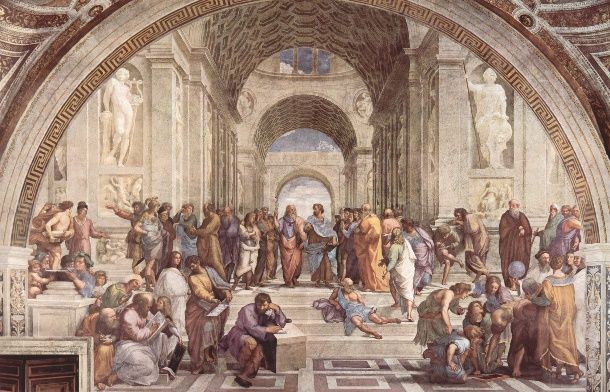
Fine art is a subjective term that has evolved, just as art and artistic styles have evolved. We understand art to be the process of creating something unique that appeals to our visual or auditory senses. Leonardo Da Vinci Much has been said about this true Renaissance man, who was not only a painter but a mathematician, scientist, engineer, inventor, architect and much, much more. Michelangelo Buonarotti defined what it means to be an artist. Though he’s known for his paintings, he considered himself first and foremost a sculptor. A master of anatomy, he used the straining, twisting muscles and tendons of the human body to express his powerful vision of the world. Giovanni Bellini was the Venetian of the Renaissance who took the medium of oil painting to a new expressive capacity. He was the pioneer of a technique where the colors were gradually built up in thin, translucent layers. In his altarpieces, you’ll find a kind of peaceful silence, illuminated by gorgeous colors that seem to be lit from within. Masaccio’s early Renaissance Trinity with the Virgin, Saint John the Evangelist, and Donors (ca. 1425-27/28) in the Basilica of Santa Maria Novella, in Florence, demonstrates this renewed interest in human, rather than only divine, religious space.
„Italian is fun to listen to, but even more fun to speak — let go of your inhibitions and play along. “
Italian is part of the Indo-European language family, and within that, it belongs to the Romance branch. It is a descendant of Vulgar Latin, spoken by the Romans. 64 million people speak the language worldwide, of which 57.7 million are in Italy.
There are 34 dialects in the country, and geographically distant dialects are mutually unintelligible. In modern Italy, people communicate mostly in regional dialects. Standard Italian is the only written language. It is estimated that about half of Italy’s population does not speak standard Italian as a native language. Most speakers of regional Italian dialects meet standard Italian in elementary school.
Italians are mostly direct communicators. They are open about their emotions, and they do not mince around their opinion, they tell them to you directly. When talking, Italians are open, inquisitive, and bold. They find the prolonged periods of silence uncomfortable and may naturally speak to fill it in.
Speaking loudly is a well-known stereotype for Italian people.
How to greet someone in Italy? Italians often greet friends with a tight hug or a kiss on each cheek, but you will also find people greeting with a shake of hands, a nod, a slap on the back or a smile. They keep in proximity to one another, sometimes standing less than a meter away from the person they are talking to. Even if you do not notice, they may think you are avoiding them if you move farther away from what they consider to be normal.
People in Italy are quite affectionate. It is common to see hugging, kissing, back-slapping and handholding in public. People may touch their conversation partners to show their engagement in the discussion – for example, nudging them or touching their arms when pointing something out.
Direct eye contact is expected and held during conversations. Italians are naturally more expressive in their tone of voice, facial expressions, and body language, often motioning with their hands to emphasize their point.
In Italy, people can say a lot with hand gestures, for example:
- Clenching the right fist and jerking the forearm up is the Italian version of the middle finger,
- Fingers and thumb bunched together and pointed upward is a gesture for a question, such as, „What do you want?” or „What are you doing?” It can also be used as an insult to say, „You fool.”
Taboo areas and topics: Taboo is to criticize Italian cuisine or suggestions for how to make it better because Italians are proud of their food.
Table manners: With aperitivo begins the meal. At first, the main host says a toast and after that, he says cheers to the group: ‘cin cin!’ Do not leave the table until everyone has finished eating. Avoid talking about the Vatican, politics, the mafia, or private family manners.
Greetings: The common greeting is a handshake with eye contact and a smile. The well-known ‘ciao’ is reserved for friends. In a business context, you should always stick to the more formal ‘arrivederci’.
Giving and accepting gifts: Gifts are usually opened at the time they are given and received. Italians are very generous gift-givers. You may be very embarrassed if you give a „cheap” or practical gift.
Arriving and leave-taking: „On time” in Italy means being 20, 30, or even 45 minutes late. Younger people open the doors for elders. Men often open the door for women. If a senior enters the room, stand up to show respect.
Business Gifts: They give branded, something small, but not too expensive gifts. For example, alcohol, crafts from your own country, fine pens, a framed print/picture, silver key chains, or calculators.
Dress code: Always dress formally for a business meeting. Style and fashion matter a lot to the Italians and no, that is not a stereotype, that bit is true.
Socialization at work: Building close relationships is very important in Italian business culture. Allow your Italian partner to make a “bella figura” (good impression) on you.